
Virtual Week of Fan Studies and Fanfiction

Updated: Nov 3, 2025
Find all the recorded talks here: https://www.youtube.com/watch?v=0dlznMdhBOs&list=PLpNjpz8AaPt_zV2sl_x47tfHX744WAa7N
The 1st Virtual Week of Fan Studies and Fanfiction, organized by the Center for Fanfic Studies and Research (NEPF²) at the Fluminense Federal University (UFF), will provide a space for reflection and dialogue between researchers focused on the study of fanfiction, fandom, and fan practices in Brazil.
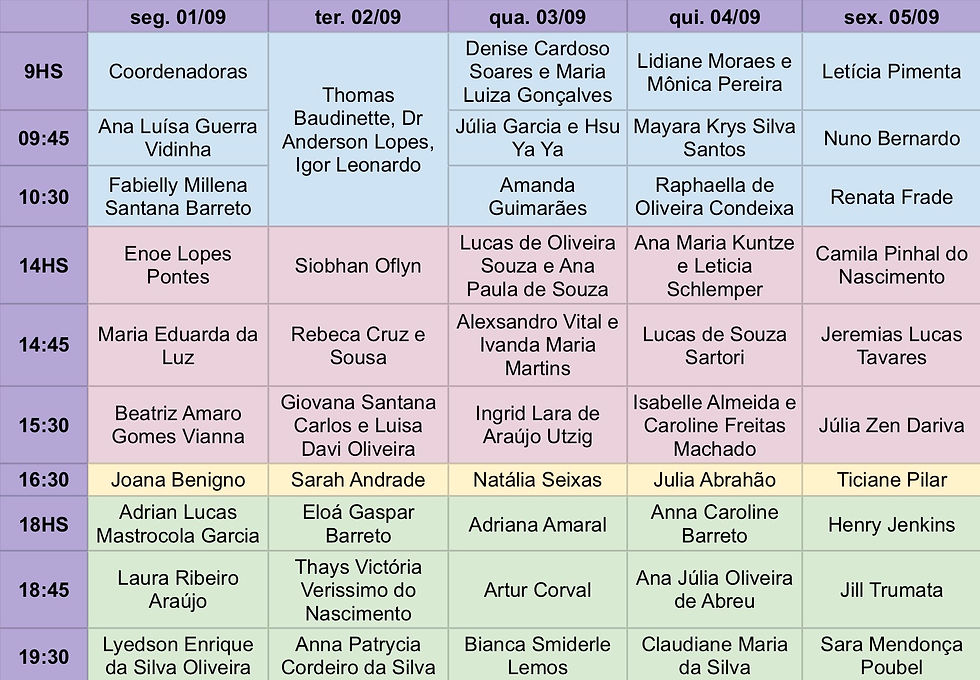
The Virtual Week aims to bring together researchers in training, academics, and professionals from various fields of knowledge who work in the field of Fan Studies and who are spread throughout the country. Not only do we intend to create a connection between researchers and a sense of unity in a field of research that is almost non-existent in Brazil, but we also aim to collaborate in the development of scientific knowledge in Fan Studies from the perspective of Brazilian researchers and international guests. Check out the schedule below!
Monday - 01/09
9:00 - From Dream to Consolidation: The Trajectory of NEPF²
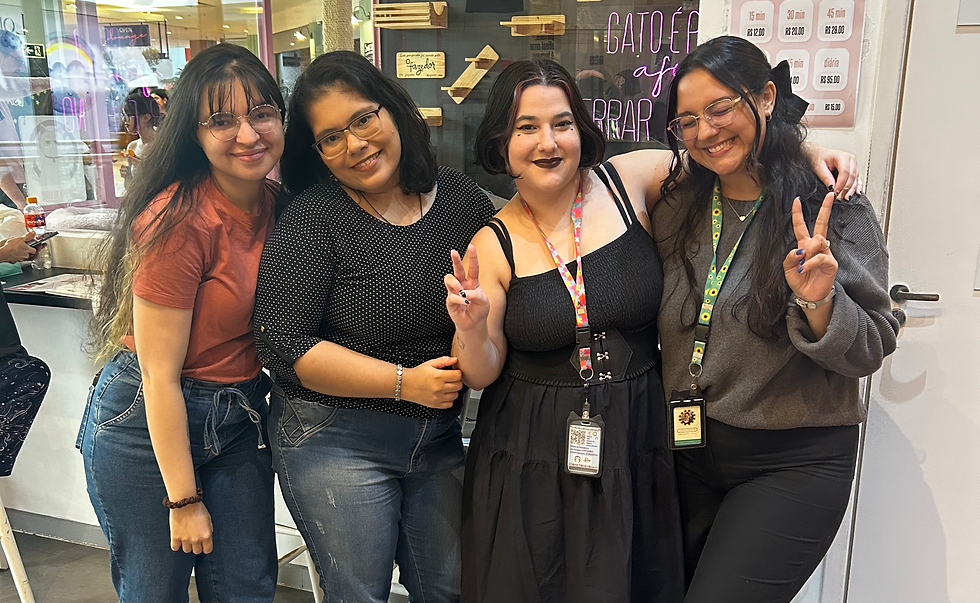
Julia Abrahão, Letícia Pimenta, Natália Seixas, and Ticiane Pilar, coordinators of the center, recall the project's trajectory.
9:45 - Points of Convergence between Oral Tradition and Fanfiction by Ana Luísa Guerra Vidinha
This work investigates the textual genre of fan fiction, how it is created and shared, seeking to identify similarities between these processes and those that occurred when oral tradition was the main means of transmitting stories and knowledge. To this end, the monograph discusses aspects of oral tradition—such as its functions and the ways in which it existed in societies, as well as the role of the narrator and author in these scenarios—and introduces the main characteristics of fanfiction, such as its length, the implicit rules for its publication, who the fans and fandom are where this type of text is created and circulated, among others. The text then proceeds to compare the aforementioned creative processes. It concludes that the initial impression, that there are parallels between the practices of orality and fan fiction, is confirmed; despite this, this work does not intend to end the discussion on this topic.
10:30 - Fanfiction Goes Viral: The Manacled Case and Its Viral Relevance on TikTok by Fabielly Millena Santana Barreto
This research investigates how fanfiction fans act in the circulation and reinterpretation of these narratives through the production of digital content on social media, focusing on SenLinYu's fanfiction Manacled, a dark reinterpretation of the Harry Potter universe, marked by war trauma and radical narrative reconfigurations. Originally published on Archive of Our Own (AO3) in 2018, the work has accumulated millions of views and become a reference among readers of the genre. The research analyzes the role of fans in sustaining the relevance of Manacled, even after its conclusion, based on the observation of videos published on TikTok, a platform where the fanfic hashtag exceeds 56,000 pieces of content. The corpus of the analysis is based on three videos representative of recurring formats on the network: a react video, a fan video that recreates scenes from the fanfic with movie clips, and a record of the handmade binding of the work. These examples demonstrate how the affectivity of fandom is translated into creative practices that go beyond reading and reverberate in visual and performative formats. Thus, TikTok becomes a space where fans not only share impressions but also construct alternative ways of experiencing the narrative, extending the reach of fan fiction beyond its original audience. The study shows that these practices are part of a participatory culture logic (Jenkins, 2006), in which consumers go beyond the role of passivity and become active in content production. As discussed by Murakami (2016) and Amaral et al. (2015), fandoms operate as communities that feed off their own creations, maintaining a continuous cycle of cultural appropriation. In this context, the videos analyzed show how Manacled becomes not only a reading, but also a catalyst for affective interactions and collaborative media production. It is concluded that fandom, by producing and sharing fanfic content, acts as an agent of circulation, re-signification, and legitimization of the work in the digital ecosystem. The case of Manacled exemplifies how fanfictions, even when emerging in niche spaces, can achieve great visibility and cultural relevance through the mediation of the fans themselves.
14:00 - Methodological Processes of an Aca-fan: Autoethnography and Research Pathways by Enoe Lopes Pontes
The scientific process involves theoretical and methodological intricacies and paths that will define the trajectory of a given study and its results. Based on doctoral research aimed at understanding the reception of sapphic women, fans of serial narratives that rely on the phenomenon of queerbaiting (NORDIN, 2018; BRENNAN, 2019), we encountered methodological obstacles, which led us to the following research question: is it possible to find a method to help broaden an Aca-fan's view of their object? Based on this question, we developed a methodological study in which the use of autoethnography became a key element in the process (MANNING; ADAMS, 2015; BOYLORN, 2018). Our hypothesis is that, through autoethnography, it is possible to create a dichotomous but positive result. In writing the diary, the researcher conducting the project would be able to gain a sense of distance when writing her reports, but at the same time, she would be able to get closer to that content precisely by systematizing it. Based on the researcher's own relationship with the fandom universe and her own lesbianism, answers to the investigation of the object and the phenomenon that guides it (Queerbaiting) were found. Thus, this work is a methodological reflection that aims to highlight, understand, and elucidate paths, challenges, and solutions in fan research conducted by academic fans, considering the implications of the researcher as a subject in relation to their research, with the evocation of practical solutions for these issues to be resolved.
14:45 - “The Weight of a Rosary”: Blasphemy, Anguish, and Sublimation in Bandom Fanfiction by Maria Eduarda da Luz
From the sculpture The Ecstasy of Saint Teresa (Gian Lorenzo Bernini, 1652) to the writings of the Marquis de Sade in the 17th century, eroticism and religious experience come together in secular artistic narratives. Not unlike their predecessors, fanfic writers explore the theme of blasphemy and religious guilt in their works, especially when the fandom in question has a fanom related to the theme. Sacrilege, or profanation in the case of carnal acts, is the violation of something sacred, from places to people. According to Luz and Mousinho (in pre-publication phase): "The breaking of the barrier between the profane and the sacred is symbolized by the abject presented by Kristeva (1982): what is expelled by the body, such as blood and pleasure, is both repulsive and attractive. In fan narratives, this notion manifests itself intensely, challenging social and religious norms and allowing the exploration of subversive fantasies.” This concept is very present in the fandom of emo bands of the 2000s, given that the bands themselves sometimes appropriate religious imagery in their productions, whether in their music or byproducts, such as photoshoots. Of the bands that dominated this profile, My Chemical Romance is perhaps the one that most explored the religious and the profane in its aesthetics and music, a fact that is reflected in the various productions of the fandom. This fanon, composed of artists who suffer from Catholic guilt about their sexualities and gender expressions, resulted in several fanfics and fanarts on the theme, including the characterization of these as priests, angels, or demons. In this sense, this oral presentation aims to explore the history of sacrilegious writings in bandom. To this end, an analysis of the interrelationships between religion and eroticism will be carried out, based on the work of Georges Bataille, in the three fanfics that make up the collection Choosing my Confessions, authored by pixie_revolver and located in the My Chemical Romance fandom. As an expected result, according to the partial research in progress, it is possible to observe the experience of sin as described by Bataille, where there is contact between fear (horror, profane) and pleasure (erotic, sacred). In the case of a work that explores BDSM culture, it is also possible to verify the relationship between the external violence of sacrifice that reveals the internal violence of the creature, notable both in blood loss and ejaculation; that is, both in pain and orgasm.
15:30 - Beyond The Scene: Engagement and Activism in BTS's ARMY Fandom by Beatriz Amaro Gomes Vianna
Based on the observation that the ARMY fandom of the South Korean group BTS has demonstrated a remarkable sense of community, a wide range of creative skills, and a unique capacity for mobilization, the central purpose of this study was to discuss the contextual factors that contribute to such engagement, which often extends into the realm of political activism. To this end, the scenarios in which the main object of this study is inserted were presented through a review of the literature, which includes an overview of the evolution of mass culture and audience behavior until the emergence of cyberculture; the historical path of the rise and consolidation of the K-pop industry, which was born and developed under strong Japanese influences (arising from Japanese colonization) and American influences (which, from the beginning, lent and continue to lend the genre the “Americanization” it needs to win over Western audiences); and a theoretical foundation that deals with the new participatory ways of being a fan, signifying and re-signifying what is produced by commercial pop culture. Based on a case study anchored in in-depth individual interviews with the main Brazilian activist fanbases created by ARMY, qualitative data of great relevance was collected for an analysis which, added to the contexts presented, helped in the survey and understanding of five latent factors related to the engagement and activism of BTS fans, namely identification with BTS itself, their values and messages; affection for the group; the discovery of a collective need to be met; the critical and engaged profile observed in all interviewees; and, finally, the sense of collectivity and belonging present among the fandom and at the core of the fanbases.
16:30 - Policing fandom: censorship as a tool for controlling fans by Joana Benigno
Coming soon.
18:00 - Queer Readings x Queer Readers: Non-binary Representations in Fanfiction by Adrian Lucas Mastrocola Garcia
Based on three case studies, this research aims to compare representations of non-binary identities—or the lack thereof—in fan fiction of Criminal Minds (a series produced by CBS since 2005) using the concept of Queer Reading (or queer lens), according to Jennifer Duggan (2021). It is understood that non-binary identities are not synonymous with androgyny, just as their expressions are multiple (Sullivan, 2003). For this reason, this research questions the binaries perpetuated in fanfiction and how these non-binaries are placed in the narratives, for example, whether they are protagonists or fundamental to the development of the narrative. Based on critical readings by trans authors on fanfiction in academia, such as Charlie Ledbetter (2020), the political relevance of dissident representations of gender and bodies in popular mass media is discussed. The representations of dissident genders and the way they are brought to the fore are discussed, thus analyzing the impacts of cisgender hegemony on these representations, how they (the representations) oppose hegemony, and how they perpetuate it. The selection criteria for the case studies, that is, three fanfics, is that the work must be published on the Archive of Our Own (Ao3) platform, under the tags “Criminal Minds (US TV),” “Trans Character,” and “Nonbinary Character.” Crossovers were excluded, and the completeness of the works and age ratings were not considered as part of the criteria.
18:45 - An Othello All Your Own: Fan Rewrites and the Reconfiguration of Gender Dynamics in Shakespeare's Tragedy by Laura Ribeiro Araújo

This paper seeks to analyze the ways in which fans reappropriate the dramatic elements of William Shakespeare's Othello and rewrite, through fan fiction, the gender dynamics present in the tragic universe of the play. In order to achieve this goal, I make use of a careful post-structuralist reading (Parker, 2011) of the English play to access the dynamics established between the main characters, with a special focus on the relationship between Desdemona and Othello, and Iago and Emilia, without forgetting the possible intersections between these four characters. I rely on the work of authors such as Carol Neely (1985), Theresa Kemp (2010), Dympna Callaghan (2016), and Mihozo Suzuki (2016) to address gender issues specific to the play and our context of interpretation. Using a qualitative approach, I carefully read the 20 most popular Othello fanfictions posted on Archive of Our Own (AO3) with the aim of understanding the relationship dynamics proposed between the main characters of the play, evaluating the way in which the fan text either transgresses or reinforces (Wilson, 2021) the gender dynamics present in the Elizabethan play. Finally, I evaluate the ways in which fan texts and readings participate in the archontic expansion (Derecho, 2006) of Othello by multiplying the possible meanings that can be found in the work.
19:30 - “Are you an odeter or a lolover?”: Memes as a Means of Repercussion for Soap Opera Fandoms by Lyedson Enrique da Silva Oliveira
This paper investigates how memes operate as tools for circulating and reframing villainous characters in Brazilian soap operas, focusing on the figures of Lola Argento, from the soap opera Beleza Fatal (2025), and Odete Roitman, from the remake of Vale Tudo (2025). The analysis is based on a time frame between February and March, a period that coincided with the broadcast and promotion of these television productions, focusing on fan creations published on social network X (formerly Twitter). The study highlights how these productions were widely echoed by fandoms, which, through creative practices such as memes, promoted a new layer of meaning to the characters. Based on theoretical references such as participatory culture (Jenkins, 2008) and transmedia engagement (Lopes and Orozco, 2011), the work demonstrates that fans act as co-creators in the digital environment, reinterpreting the plots of soap operas with humor and irony. The study analyzes two representative memes: one that depicts Lola in a glamorous pose with an ironic catchphrase, and another that uses the image of Odete Roitman's voluminous hairstyle, which went viral even without narrative context. The data points to significant engagement: Odete's meme exceeded 1.5 million views and 7,600 shares; Lola's meme obtained more than 300,000 views and 6,000 retweets. The research also reveals that the repercussion of these memes was not restricted to individual fans, being amplified by high-reach profiles and even by commercial brands that have incorporated the content into their promotional campaigns. Therefore, memes not only update the meaning of the narratives, but also extend the cultural life of soap operas in the digital environment. Fandoms are no longer just consumers but become protagonists in the reception and transformation of works, creating new collective experiences and reinforcing the social relevance of Brazilian soap operas.
Tuesday - 09/02
9:00 to 11:15 - [No title] by Thomas Baudinette, Dr Anderson Lopes, Igor Leonardo
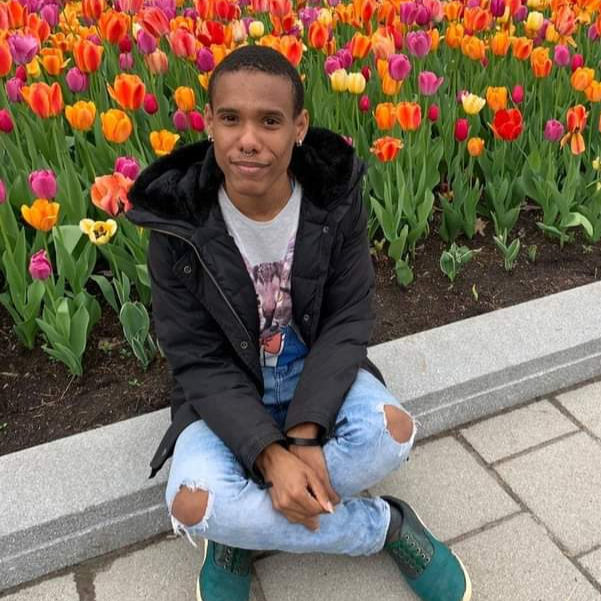
14:00 - [No title] by Siobhan Oflyn

Coming soon.
14:45 - “Justice for Ana”: Fan Activism and Sense of Community Among Swifties at The Eras Tour in Rio de Janeiro by Rebeca Cruz e Sousa
Social media engagement practices are constantly evolving, especially within social network X, formerly known as Twitter. Among the most active and engaged social groups on social media are fan communities. This study aims to evaluate the role of collectivity and community among Taylor Swift fans based on the events that marked the passage of The Eras Tour in 2023 through Rio de Janeiro, especially the death of fan Ana Clara Benevides. To this end, 500 posts on the X network were analyzed, made between November 16, 2023, and November 20, 2023, the period corresponding to the arrival of singer Taylor Swift in Brazil and the presentation of her last show in the aforementioned state. Using Content Analysis (Bardin, 1977), we want to understand how fans use the network to promote social change. The research suggests that Swift's attitudes towards what happened caused a rift in the fandom and demonstrates that fan pages are the main form of information sharing among fans. Studying fan behavior can offer valuable insight into current and emerging trends in the use of digital platforms for social causes. In addition to the impact of pop culture in contributing to more active citizen participation by fandom members.
15:30 - Goms in the Spotlight: K-pop Fan Organization for Group Purchases (CEGs) of Photocards by Giovana Santana Carlos and Luisa Davi Oliveira de Mesquita
The K-pop industry is known for its high production value in relation to marketable products, namely merchandising. This can be clearly seen when analyzing a K-pop album, which is filled with items such as stickers, posters, and photocards, small cardboard cards with photos of idols. Photocards are one of the favorite products of K-pop fans (Sabila et al., 2023). Collecting photocards and displaying them in their homes or bags is an easy and quick way to identify other K-pop fans, and collections have become popular in K-pop fandoms (Hedberg, 2024) as they represent a mediated intimacy (Desnika, Tambunan, 2023). The object purchased by fans is a substitute for the idol, that is, acquiring a photocard is a mediated way of establishing a bond of intimacy with the artist. Understanding this importance, our goal is to discover who the fans are who become Goms, or “Group Order Managers,” since they drive this scenario. This work is an excerpt from a larger study on K-pop photocard collectors. Between October and November 2024, we created an online questionnaire (via Google Forms) with about 30 questions and shared it on various social networks and groups focused on K-pop and K-pop photocards, reaching 508 respondents. Of these, 85.6% stated that the most common way to acquire photocards is through Group Purchases (CEGs), which is why we see the importance of understanding who these fans are who collect and organize photocard purchases. In the questionnaire, 45 people stated that they organize CEGs, that is, they are the so-called Goms, allowing us to outline a profile of this type of fan. The analysis of the essay responses is still ongoing, but we already have demographic information through the analysis of some responses. Therefore, we can already say that the Brazilian Gom is mostly cisgender women (89%), bisexual (51%), single (73%), white (60%), in their 20s (51%), working (80%), studying (56%), have completed or incomplete higher education (79%), live in southeastern Brazil (60%), have no children (98%), have a family income of more than 3 to 9 minimum wages (54%), and have been collecting K-pop photocards for about 3 years. The next step is to analyze the responses about what led them to become Gom, how they organize themselves to make purchases, among other related questions.
16:30 - Gender and sexuality in fanfiction through the years by Sarah Andrade
Coming soon.
18:00 - Fanfiction at School: Systematizing the Creation of a Life, Education, and Work Project by Eloá Gaspar Barreto
With the aim of expanding the working practices and multiliteracies of the Fanfiction na Escola educational project, making it more appropriate and transformative in its actions in a wide range of educational and cultural spaces, the systematization of the experience of the project's creation and recreation process began in 2019, the year of its inception, until June 30, 2023, seeking, through dialogical and problematizing education according to Paulo Freire (1987) and a polytechnic bias based on the contributions of Dermeval Saviani (1989), to understand the actions of Fanfiction na Escola, focusing on its strategies, tools, and potentialities. During the systematization process, it was possible to identify that Fanfiction na Escola has the production of texts and images as an educational principle, finding in fanfics and other fan productions its main tools of action, recognizing these as transcreation based on the reflections of Campos (2006) and conducive to the use of the model scene strategy as a creative trigger. In addition, the systematization process enabled the adoption of the project methodology, based on a critical appropriation explained by Bemvindo (2018), and the insertion of the project into university extension programs, incorporating the central characteristics of Fanfiction na Escola into the extension. At the end of the systematization, guided by the guidelines of Oscar Jara Holliday (2006), the research resulted in the construction of the project structuring document, with the objective of promoting the execution of this action that aims at social development based on the work of constructing cultural products openly derived from other existing products that are the object of admiration and desire of its students-educators.
18:45 - Fanfiction in Literature Classes: A Proposal for Digital Literary Literacy by Thays Victória Verissimo do Nascimento
This paper seeks to reflect on the possibilities of integrating contemporary digital productions known as “fanfics” into the teaching of literature at the elementary level, more specifically in the final years of elementary school. To this end, the objectives are 1) to reflect on possible ways to approach fanfics in the classroom, as well as 2) to suggest methodological procedures and activities so that fanfics can be approached in a satisfactory manner. These pedagogical and methodological reflections and suggestions were made, in greater volume, based on Cosson's Didactic Sequence (2014), since we brought the points of his Sequence to guide the suggestions for literary work with fanfics. Like Cosson (2014), the work was also developed in light of the contributions of Pinheiro (2006), Rojo and Moura (2019), Sisto (2016), and Soares (2011), in a qualitative research of a theoretical-methodological nature. With the completion of this research, it was possible to reflect on different ways of conducting literary work with fanfiction, aiming to foster students' literary literacy. We concluded, in the end, that working with fanfiction in literature classes is promising, as it contemplates students' extracurricular interests and affections and, consequently, can expand this affection to literature itself.
19:30 - The Production of “Edits” as a Form of Promoting Fanfiction and Fanworks on Social Media by Anna Patrycia Cordeiro da Silva
Currently, attracting readers has become a difficult task when publishing fanfiction on major reading networks. Works are being left unfinished and without a proper ending due to a lack of engagement and participation from readers with the stories. In this scenario, the production of “edits” — short videos that combine scenes, soundtracks, and text excerpts — emerges as a creative and effective strategy to promote fanfiction and other fanworks, sparking public interest, expanding the reach of the works, and fostering more active interaction on social media. As an example of works promoted through edits and unpromoted works, we can cite two different stories by the same author. The shortfic — a term used for stories with few chapters — “O Visconde Que Me Amava” (The Viscount Who Loved Me) was promoted on TikTok by an account created exclusively by the author. The story quickly reached a significant milestone on the platform where it was originally published. In contrast, the work “Forever & Always,” also by author @minoriver and published on the same platform, has about fifty chapters but has received significantly fewer views, favorites, and comments. The main difference between the two stories, besides the fandoms to which they belong, is that one was promoted through short videos, while the other was not, resulting, so far, in a difference of approximately two thousand views. In short, it is reasonable to postulate how social media directly influences the creative process of writing today. A community that developed alongside the internet today expands and consolidates itself as a single body. Similarly, the margin of readers grows, as videos and posts related to literature are recommended to people who often do not have the habit of reading, but end up becoming interested in the content and consuming the works published. Fanfics and fanworks play a fundamental role in forming reading habits, especially in a scenario where excessive consumption of social media has reduced interest in books. Using these platforms as a tool to attract new readers is undoubtedly an effective strategy to overcome the challenge faced by the current generation.
Wednesday - 09/03
9:00 - Being a Peripheral Teenager and Also Being a Fan: An Autoethnography on Consumption and Exclusion in K-pop and K-drama by Denise Cardoso Soares dos Santos and Maria Luiza Gonçalves de Oliveira
My name is Maria Luiza, I am 14 years old, I live in Lagoa Santa (MG) and I study at Ninho, a social project aimed at reducing inequalities through education. I identify as peripheral, not because I live in a favela, but because I am outside the centers of access and consumption. This condition appears in my daily life and even in the way I am seen within the fandom. I entered the world of K-pop in 2018, at the age of six, because of early access to screens. I fell in love with groups like BTS, BLACKPINK, and TWICE. Then I started watching K-dramas, which helped me understand feelings I was already experiencing. This content moved me, but it also gradually showed me that access to this culture is not always for everyone. Over time, I noticed a constant demand within the fandom: the more you consume, the more of a fan you are. Lightsticks, albums, clothes, fan calls, and tickets became “proof of love.” It turns out that I can't access these things, not because I don't want to, but because of my reality: expensive products, high shipping costs, distance from events, online queues. Even so, I remain a fan. I create playlists, dance choreographies, get excited about new releases, and am moved by music videos. Despite this, I often don't feel like I belong. It was this discomfort that sparked my desire to research. I began to ask myself: can only those who consume belong? Has fandom become a space of merit, based on how much you spend? Studying with my teacher, I learned about sociologist Charles Horton Cooley, who talks about how we see ourselves through the eyes of others. If others don't recognize us as fans, we begin to doubt ourselves. I saw that it wasn't just me: other girls feel this way too. In our studies, we read authors such as Ana Júlia Silva, Gabriela Cavalcante, and Elaine Cruz, who show how most Brazilian K-pop fans belong to classes D and E — like me. The internet facilitates access to music and videos, but official products remain symbols of privilege. Capitalism transforms even affection into a commodity. How can one be a fan in a space that demands consumption all the time? And why do so many girls end up invisible because they cannot consume? Given this, my teacher Denise and I chose autoethnography as our method, researching from my own experience. I discovered that my story is also a subject of study. Being peripheral means being in a place that also thinks, feels, and creates. I learned that I can transform what I experience into reflection—and that this knowledge has value. In presenting this work at the 1st Virtual Week of Fan Studies and Fanfiction at UFRJ, I want to affirm that knowledge is also born on the margins. And that being a fan, even with consumption limits, is legitimate and deserves to be heard.
9:45 - Discussions on Fan Literacy: An Analysis of the BTS Brasil ON Profile on Instagram by Júlia Garcia Gouvêa Andrade and Hsu Ya Ya
This study aims to discuss the critical and creative skills at work in the literacy of fans of the K-pop group BTS, based on an analysis of the BTS Brasil ON (@btsbrasil_on) profile on Instagram. Fan literacy is defined by Borges and Sigiliano (2024, p. 83) “as a set of critical and creative skills involving the ability to evaluate, produce, participate, reframe, and distribute media content based on their universe of reference.” As Kozinets and Jenkins (2024) and Scolari (2018) point out, fan culture is a conducive environment for informal learning, which can lead to the development of skills related to the analysis and production of content in diverse communicational contexts. This is closely related to media literacy, defined by Livingstone (2004) as the ability to analyze, evaluate, access, and create messages. In this sense, based on fan literacy, we seek to evaluate how fandom can exercise media literacy through the spontaneous pedagogy of pop, starting from critical and creative experiences in the production and consumption of content in informal learning environments. For the analysis of the BTS Brasil ON profile, the theoretical-methodological proposal developed at the Audiovisual Quality Observatory will be used, within the scope of the project “Fan Literacy: the critical understanding and creative production of pop culture fans,” coordinated by researchers Gabriela Borges and Daiana Sigiliano. This analysis proposal is based on three dimensions: universe of reference, informational architecture of the platform adopted by the fandom, and pop pedagogy. In each dimension, there is a defined set of skills to guide the evaluation of fan literacy in the analyzed object. In the universe of reference, the objective is to evaluate, based on fan posts, knowledge and coherence in relation to the canon—in this case, the group BTS—using skills such as recognition and use of aesthetics and rules and codes of the canonical universe. In terms of information architecture, the aim is to analyze fans' use of Instagram according to the specificities of the platform, such as engagement tools and content templatability. Finally, the dimension related to pop pedagogy evaluates how fans go beyond the universe of reference, adding and reflecting new interpretive layers through elements such as controversy and media repertoire. It is concluded that, based on the activities developed by the fandom, skills related to the analysis and creation of content in different communicational contexts can be practiced, which promotes media literacy. In this context, many interactants already show proficiency in different dimensions of fan literacy, highlighting the potential of informal learning.
10:30 - Genetic Editorial Rites: The Process of Creation and Editing in the World of Fans by Amanda Guimarães Sória Martins
Based on the theoretical framework of French Discourse Analysis, especially recent developments proposed by Dominique Maingueneau (2006, 2008, 2010), we analyze the issue of creation and authorship in the “fan world,” mobilizing the concepts of constituent discourses, discursive communities, genetic rites, and creative paratopia to study materials obtained from the Archive of Our Own website, belonging to the Organization for Transformative Works, an organization made by fans for fans in order to preserve the history of fandoms—communities of fans with similar interests who interact and participate in fan activities through discussions or creative works, such as fanfics (fictions written by fans)—and to support any type of work done by them. From this, we attempt to contribute to the systematization of categories in the linguistic-discursive studies of fanfiction by identifying the aspects of fandom that influence the writing of fanfiction and verifying how much of the authorship can be technically attributed to the fanfiction writer, the beta-reader (their editor/proofreader), and the source text, considering the three instances pointed out by Dominique Maingueneau as constitutive of creative paratopia (person, inscriber, and writer). With this, we aim to verify how interdiscourse crosses over in the material that was created, which is a work based on a source text that has some of its elements rewritten and remodeled in this fan culture. To this end, we focus on its preparation for publication, its editing process. Finally, we consider the relationship between these practices and the processes of preservation and selection that, in Western history, defined the functions of editorial mediation (CHARTIER, 2007).
14:00 - A Historiography of Manga in Spain: Between Fanzine and Fandom by Lucas de Oliveira Souza and Ana Paula de Souza
This study investigates the construction of manga in Spain, especially regarding its development and the formatting of a national manga. The role of fanzines was fundamental in this process, along with events related to the manga genre promoted by the Spanish manga and anime fandom itself. This research also seeks to problematize how these publications are often marginalized and considered to be of low cultural value. This was one of the factors that enabled the consolidation of a vibrant manga and manganime fandom scene in Spain. Female participation was also notable in the production of fanzines in Spain, which was subject to censorship by the Spanish government at the time. The study also seeks to demonstrate how fanzine websites ended up reducing their own autonomy in relation to their self-published works. Among the central objectives of the research, we seek to develop a compelling analysis of female participation and its predominance in fanzine production in Spain, especially during the 1990s. We also seek to describe and format the manga and anime fandom that exists in Spain, exploring how the growth of this fandom is closely linked to the activities of websites that make manga and anime available for free. It also problematizes fanzine websites, in which all content and fan work are governed by and obey the rules of large technology companies, which in most cases are not based in their country. The research methodology applied was bibliographic and qualitative, whose main method was: Reading and indexing books, academic articles, theses, dissertations, and final course papers to collect data on: the historiography of manga in Spain; the influences of audiovisual productions on the configuration of the genre; the formation of the Spanish fandom; the publication of fanzines and their entire historical period in Spain; the publication of works by major Spanish publishers; the particular characteristics of manga produced in Spain; and the subgenres present in Spanish manga. The research is still in the development phase, but through the results obtained so far, it is possible to note that fanzines and the manga-anime fandom were fundamental to the existence of a national Spanish manga. The participation of women and oppressed groups is also notable in the production of fanzines, manga, and the construction of a scene favorable to the production of all these genres. The impact of the internet and the formation of a virtual network in the manga-anime fandom is of great support to Spanish national manga, however its limitations in the long term are evident in relation to printing.
14:45 - Fanfiction in Literary Literacy Practices of High School Students: Interfaces with Literary Education in Digital Culture by Alexsandro Vital de Almeida and Ivanda Maria Martins Silva
The main objective of this research is to investigate fanfiction as an emerging genre in dialogue with the literary literacy practices of high school students, considering its interfaces with literary education in digital culture. Fanfiction is a contemporary product of digital culture and refers to narratives written by fans (Aguiar, 2011), based on reinterpretations of artistic and literary works. Fanfics have emerged as a phenomenon of literary creation, transforming the relationships between authors, texts, and readers in the artistic-literary field. In this dynamic scenario of digital culture, readers' interactions with literature are transformed in the face of new possibilities that cyberspace inaugurates, such as fanfics, blogs, e-books, cyberfiction, video poems, and many others. The very concept of literature has been continuously studied, due to the profusion of formats, prototypes, and styles in cyberspace (Santaella, 2012, p. 230). In terms of theoretical contribution, the research presents an interdisciplinary approach (Education, Teaching, and Literature), articulating studies focused on cyberculture, cyberspace, and fan fiction (Lévy, 2009; Castells, 1999; Santaella, 2007, 2012), the right to literature (Candido, 2006), in connection with research in the areas of literature teaching and literary education (Silva, 2013, 2015) and literary literacy (Cosson, 2014). In terms of methodology, the research is applied in nature, with a qualitative-quantitative approach. It is an action research project carried out in a state public school, using semi-structured questionnaires and conducting a literary workshop in the classroom with high school students to diagnostically assess their learning needs in relation to literary literacy practices. Afterward, the students produced fan fiction based on the literary work Becos da Memória (2006), by author Conceição Evaristo. In the results, the students' responses demonstrated the positive perception and impact that the literary workshop had on their reading, writing, and creativity experiences. Thus, we identified that 83.3% of students reported that the workshop provided and/or motivated literary writing/production of literary texts, such as fanfics. Given this, we emphasize that the workshop motivated students to immerse themselves in these literary content repository sites, enabling, democratizing, and mediating the teaching of literature in the school community. In short, the inclusion of fan fiction in the school environment seeks to make literary education more attractive, meaningful, and relevant to students, promoting a dynamic, creative, and collaborative learning environment. We conclude that fan fiction creates an interactive and collaborative relationship between the author, the reader, and the original work.
15:30 - Digital Colonialism in the Representation of the Amazon on Fanfiction Self-Publishing Platforms by Ingrid Lara de Araújo Utzig
Recognizing that the Amazon has historically been represented in a stereotypical manner, either as Eldorado or as a green hell, the problem raised in this research lies in the problematization of digital colonialism based on the concept of coloniality of knowledge as a critical category, questioning the possible contribution of fan narratives to the maintenance of colonialist discourse regarding northern Brazil. In this context, the objective of this study was to analyze how the Amazon is represented in three of the most widely read fanfictions on Wattpad, exploring how these narratives reflect and perpetuate stereotypes. In addition, we seek to discuss the impacts of these representations on the perception of fandom members. To establish this debate, the theoretical framework mobilized was based on the thoughts of Bhabha (1549), Hall (2018), Santos (2019), among other authors. The results indicate that the previously selected fanfictions reveal a series of stereotypes in the representation of the Amazon, treated as a wild environment inhabited by “primitive” peoples. First, a romanticization of the region was observed, as a paradise untouched by modern civilization. This idealization often tends to reproduce exotic images, disregarding cultural diversity and social complexity. Another aspect identified is the representation of the Amazon as a setting for Alternative Universes (AU), spaces of adventure and exploration for protagonists from countries in the global North, preferably Americans, reinforcing the notion of superiority and dominance over the territory and its natural resources. It is concluded that, within the chosen corpus, fanfictions predominantly describe the space in a homogenized and simplified manner. These representations have the potential to influence the perception of fan communities.
16:30 - Fanfiction as a Research Subject: Concepts and Approaches by Natália Seixas
18:00 - Fan Studies in Latin America: Perspectives and Themes by Adriana Amaral

Coming soon.
18:45 - Mindstorm Productions: An Ecosystem of Fanfiction in the Digital Age by Artur Corval
The Mindstorm Produções blog (https://mindstormpro.blogspot.com/) represents a unique initiative in the contemporary digital literature scene, functioning as a collaborative ecosystem of fanfics and fanarts. More than just a repository, Mindstorm presents itself as a content aggregator, where authors can publish directly or redirect readers to other spaces - personal blogs, forums or alternative platforms. It is therefore a kind of “Netflix of fanfics”, which combines curation, community and encouragement of textual creation within a universe markedly influenced by Japanese pop culture, especially the tokusatsu genre. The blog's operation is based on visibility and engagement criteria. Works that reach at least three episodes are highlighted in the “Published Works” section, increasing their circulation. There is also a tab called “Library”, where authors can make their works available in formats such as e-books and PDFs, allowing a symbolic transition from the universe of fanfiction to more consolidated literary formats. Another relevant point is the “Mindstorm Projects” section, a space that encourages the creation of collaborative works through thematic challenges - horror, action, retro series - and proposes creative exercises based on prompts, images and original characters. In this environment, authors interact as beta readers, informal editors and creative partners, favoring a collective writing network that goes beyond the limits of individual authorship. The construction of visual galleries with representations of the characters also highlights the intersection between narrative and image, in a dialog with transmedia practices. The platform's growth reflects its ability to adapt and include new styles and audiences. Although strongly rooted in the superhero and tokusatsu fandom, Mindstorm now hosts productions based on anime, dramatic narratives and works of horror. This diversity reveals the blog's vitality as a space for aesthetic and thematic experimentation, and points to the broadening of its reception spectrum. Mindstorm's impact goes beyond the realm of amateur production. Three of its authors have already migrated to the independent publishing market, the most emblematic case being the writer Aldo Mesquita, with the book Indomável, available on the UICLAP and Clube de Autores platforms. The trajectory of Indomitable - the initial version of which can be read on the blog itself - exemplifies how the fanfic environment can act as an incubator for more ambitious literary projects. From a personal point of view, as a geologist, university professor and writing enthusiast, I recognize Mindstorm as a tool not only for expression, but also for transformation. Writing in this space has allowed me to explore other modes of language, review my own communication practices and reconnect with active reading communities. The blog is not just an archive of stories, but a living platform where fans become authors, readers become critics, and everyone participates in the continuous reinvention of the popular imagination. In times of digital fragmentation, Mindstorm asserts itself as a territory of creative resistance.
19:30 - (Fan)Girl Power: Stories Behind Idolatry by Bianca Smiderle Lemos
This Journalism Course Final Project presents the documentary “(Fan)girl Power: stories behind idolatry,” which explores the often overlooked and ridiculed experiences of fans of musical artists, popularly known as fangirls. The objectives of the piece include understanding the reasons behind idolatry, discussing stereotypes associated with fangirls, and exploring the importance of artists' work in the lives of fans, while emphasizing the importance of respecting and valuing this group that is so important to the global cultural scene. The audiovisual production employs a documentary approach that contextualizes the genre in the historical and cultural scene, while describing the evolution and adaptation of documentaries over time. This research addresses topics of relevant importance to be discussed, such as the emotional relationship of fans with the music they consume, the challenges and prejudices they face, the displays of affection towards the artists they idolize, and the contributions of devotion to the personal and professional lives of the interviewees. The documentary reveals and contextualizes the passion of fangirls, in addition to valuing the transformative power of idolatry not only as a driving force of culture on a global level, but also as a means of social reflection.
Thursday - 09/04
9:00 - Fanfiction as a Practice of Inclusion in Education by Lidiane Moraes Buechen Lemos and Mônica Pereira dos Santos
The genre of fan fiction, defined as narratives created by fans based on existing works of literature, cinema, series, games, and other cultural products, has gained significant ground among young readers and writers on the internet. Its inclusion in the National Common Core Curriculum (BNCC) in 2017 represents a step forward in recognizing its legitimacy in the field of education. However, its presence in the BNCC is mainly concentrated in the field of literacy practices, especially in the Portuguese language curriculum component, without exploring its critical and creative potential more broadly. The BNCC highlights, in several passages, the importance of developing students' critical and reflective thinking, which opens up possibilities for work that promotes authorship, interaction, and reinterpretation of reality. In this sense, fanfiction is a powerful pedagogical tool that, at the same time, favors interdisciplinary approaches. In this scenario, the present summary aims to investigate the extent to which the practices of reading and producing fan fiction can contribute to the process of inclusion in education, understood here in a broad sense, that is, as the valorization of invisible subjects (Santos, 2001). The methodology adopted is based on an exploratory and descriptive approach (Babbie, 2001), with data analysis conducted through the Omniletic Perspective (Santos, 2013), which is anchored in the dialogical relationship between reflection and action, promoting understanding of differences and respect for social, cultural, political, and practical diversity. As partial results, it is observed that fanfictions sometimes reproduce exclusionary and prejudiced views, reproducing sexist, patriarchal, racist, xenophobic, and homophobic discourses, since these are values that are naturalized in the society in which they exist. In this sense, schools not only can but must take on the role of questioning and problematizing such discourses, especially when they emerge from spaces of open expression and dialogue, such as fanfiction writing and reading platforms. It is therefore essential to develop pedagogical practices that focus on inclusion, active listening and speaking, as well as the formation of critical consciousness (Freire, 1970), integrating these elements into a truly interdisciplinary curriculum.
9:45 - Fanfic: Why What Is Canonical Can Be Improved by Mayara Krys Silva Santos
Fanfiction is a significant cultural practice that, beyond entertainment, promotes inclusion, broadens access to literature, and reaffirms the word as a tool for creation, transformation, and belonging, by combining technology, art, and community (JENKINS, 2009). This work aims to highlight the relevance of fanfiction as a creative and educational practice aligned with the BNCC, structured on three fundamental pillars: creativity, community, and interactivity. The methodology is based, first, on an analysis of the narrative structure and the interactive possibilities between authors and readers from a Bakhtinian perspective, considering dialogicity and polyphony as central aspects of discourse (BAKHTIN, 2011). Next, the fanfic phenomenon is presented as an influence on contemporary literature and culture, based on subversion and mimetic imagination, drawing on Luiz Costa Lima's studies on mimesis and control of the imaginary (LIMA, 1988; 2000). It concludes that fanfiction represents a legitimate and dynamic form of expression in digital culture, functioning as an important gateway to the habit of reading among young people and adults.
10:30 - The Marvel Trailer: Beyond the Multiverse of Hype by Raphaella de Oliveira Condeixa
This monograph aims to highlight how the characteristics of Marvel Cinematic Universe (MCU) trailers that resonate most with fans enable discussions about the films on social media and drive ticket sales. The study draws on the ideas of Paratextuality by Gray (2010), Transmedia by Jenkins (2008), Fan Culture from the perspective of Duffet (2013), and the concept of Trailer by Kernan (2004) as a theoretical basis. In addition, it uses a mixed method, including qualitative analyses of the discourse used in trailers and fan comments, linked to quantitative analyses of the sentiments and topics used in the comments and the financial results of the works discussed. This made it possible to identify how the editing and narrative strategies of trailers foster hype among fans and the impact of hype on the purchasing decisions of casual audiences. In conclusion, a correlation was found between the financial success of the MCU and fan conversations about the brand's trailers.
14:00 - Queens of Fandoms: Women United by Their Love of Pop Music by Ana Maria Kuntze Ribeiro Pires and Leticia Schlemper de Souza Gonçalves
This Final Course Project (TCC), in the form of a large online multimedia report, deals with female pop music fans and has the following central question: “How does being a fan impact the lives of these women and how do they impact fan culture?” The goal of the project is to answer this question through the stories of women between the ages of 21 and 44, from different locations and backgrounds, who are fans of various artists. The report also features contributions from experts in the fields of communication and psychology. The final product is divided into five parts and uses text, photography, and video, as well as interactive glossaries to explain common terms in fan culture and external links relevant to the topic. All parts of the report feature stories from one or more fans, aligning with the central theme discussed. The product portrays the various nuances of being a fan, including the positive and negative aspects and the importance of this in the lives of these women.
14:45 - Chinese Webnovels in Brazil: Fan-Mediated Reception, Cultural Hybridization, and Disputes of Meaning in Digital Environments by Lucas de Souza Sartori
Chinese webnovels, serial narratives originating from platforms such as Qidian and Jinjiang, are distinguished by a production logic sustained by intensive seriality, micropayment monetization, and algorithmic curation. In Brazil, they circulate through amateur translations, understood as practices by fans who reinterpret cultural codes, on digital platforms for novels or fan literature, where these works are appropriated by reader-fans without institutional mediation, constituting an emerging phenomenon in Brazilian fandom, still little described by the sociology of literature and cultural studies. This exploratory study seeks to understand how the narrative and infrastructural structure of these works, marked by daily updates, technical vocabulary, and the construction of worlds linked to Chinese cosmology, is reconfigured by mediation practices that strain the boundaries between authorship, canonicity, and literary legitimacy. The starting point is the hypothesis that such practices are not limited to informal appropriation or fictional remixing, but operate in the collective production of a liminal aesthetic, in which conceptual systems such as qi, cultivation, and dan are rearticulated through collaborative glossaries, footnotes, and classification strategies adapted to local expectations. The theoretical framework draws on Fan Studies (Jenkins, 2006), the sociology of digital culture (van Dijck, 2013), seriality theory (Hayward, 1997), as well as contributions from the sociology of knowledge and literature in peripheral contexts. The methodological approach adopts a qualitative design on three fronts: (i) non-participatory observation netnography in multilingual forums (Discord, Reddit) and Portuguese-speaking platforms (Novel Mania, Wattpad-PT, etc.), with records of glossaries, semantic debates, and access statistics; (ii) sociological analysis of paratexts produced by translator-readers, focusing on how they operate to reduce cultural opacity; and (iii) study of informal forms of monetization, such as donations via Pix and early access, which introduce hybrid dynamics between professionalization and participatory ethics. Preliminary evidence suggests that accelerated seriality and algorithmic curation are reinterpreted as community criteria for engagement; that cultural hybridization occurs through collectively created interpretive devices; and that the relationship between fans and paid content challenges binaries between amateur and commercial production. By stretching the boundaries between professional and amateur production, this study also asks: under what conditions can these narratives achieve literary recognition in Brazil, given their liminal nature between digital commodity and fannish expression? The research in development suggests that, although the lack of institutional mediation reinforces their marginality in the literary field, informal professionalization (via monetization and algorithmic curation) and the consolidation of translation communities can open up alternative paths to legitimacy, even if they are disconnected from traditional circuits. Questions for future investigation include: (i) how global platforms (such as Wattpad) can absorb or erase the cultural specificities of these works; and (ii) whether the growing visibility of genres such as xianxia and wuxia in other media will catalyze or dilute their reception as literature. These reflections seek not only to broaden the scope of Fan Studies beyond Western fanfiction, but also to reposition the debate on literary hierarchies in the digital age.
15:30 - The Role of Parasocial Relationships in Fans' Mental Health: A Scope Review by Isabelle Almeida Fernandes and Caroline Freitas Machado
There are several studies in the literature that seek to understand the mechanism behind the parasocial relationships developed by fans. Parasocial relationships can be defined as a bond of closeness, connection, and unilateral intimacy that the audience develops with media figures, usually artists in the entertainment industry. The literature generally focuses on celebrity worship, a more extreme aspect of the parasocial relationship, which is classified as pathological by several authors and defined as excessive involvement, which makes the celebrity a focal point in the person's life and evokes feelings of excessive devotion. Celebrity worship is associated with a number of psychological disorders, such as depression, anxiety, dissociation, eating disorders, obsessive-compulsive disorder, loneliness, and difficulties in social or school life. However, interest in celebrities can be considered healthy and part of the development of identity and intimacy, as well as acting as a compensatory factor in the face of adverse events in life. Thus, although fan behavior and its ramifications are a long-standing and well-studied field, there are still gaps in the literature to be clarified and new possibilities to be explored, so that more experimental studies are needed to collect data and reviews to analyze current findings. Therefore, this scoping review aims to research the role of parasocial relationships between fans and mental health in the existing literature through a structured collection of studies in previously defined databases, namely: Web of Science, Scopus, PUBMED, and Embase. Among the inclusion criteria, studies were collected that address the topic of mental health in adolescents and young people who have a parasocial relationship with media figures in general, articles in Portuguese, English, and Spanish published up to April 2025, so as not to miss more recent studies. The Medical Subjects Headings (MESH) descriptors were defined based on the Population, Concept, and Context (PCC) structure, namely “Adolescent” and “Young Adult.” The term “Parasocial Relationship,” which does not have MESH, was also used to survey studies on the concept analyzed. The articles collected were selected according to the eligibility criteria and analyzed for their methodological quality by two independent reviewers. Disagreements were resolved by a third independent reviewer. In the next steps, the selected literature will be mapped, analyzing the possible impacts of parasocial relationships between adolescents and young adults with media figures in the context of mental health. The findings may highlight the complexity of the phenomenon and the need for further experimental and longitudinal investigations to understand the factors that determine when this type of bond becomes harmful or beneficial.
16:30 - Canon: The Central Concept of Fanfiction Categorization by Julia Abrahão

Despite the hesitation with the definition of literature, it cannot be denied that Fanfiction is, at the very least, a type of text. In my research, I intend to propose a new categorization and organization for the types of texts within fan fiction, bringing the organic evolution of the terminology created by the community itself and beginning to bring a technical perspective to this world snubbed by academia, rooting my arguments in the weight that the word canon has accumulated over the years. In theory, I intend to prove that all fanfiction fits into one of three categories created by the fandom itself: Canon Compliant, Canon Divergent, and Alternate Universe.
18:00 - Between Interaction and Intervention: Co-authorship in the Fanfiction Universe by Anna Caroline Barreto Camêlo
This work explores the dynamics of co-authorship in fan fiction, based on Henry Jenkins' (2009) perspective on convergence culture. In his book of the same name, he states that everyone is a participant, albeit to varying degrees of status and influence. Similarly, Francesca Coppa draws an analogy in “Writing bodies in Space” (2014), comparing fanfiction readers to the audience of a play, due to their simultaneous and interactive practices. Given this scenario, we will analyze how the reception of readers on the Wattpad and Spirit Fanfiction platforms transcends the concepts of loneliness and passivity traditionally associated with reading. as well as discuss the applicability of the term “lautor” (reader-author), coined by Roxane Rojo (2013), which highlights the impossibility of remaining solely in the role of reader in the digital environment and how likes and comments can modify the text. To this end, we will conduct a brief bibliographic review of the authors cited, complemented by a qualitative analysis of the interactions of readers of the fanfics A Flor do Rei and Our Castle throughout their updates. The selected works are inspired by members of the South Korean group BTS and follow two of the reinterpretations listed by Jenkins in Textual Poachers (1992), character displacement or alternative universe, and eroticization. The partial results of this study reinforce the fundamental change that has occurred in the role of the contemporary reader. They are engaged with the works and involved in discussions with other readers, writing and even creating versions of the stories. However, in the specific context of fanfiction, the dynamism is even greater, as there is the possibility of interacting with the texts and authors in near real time. Their reception and feedback can contribute to or even alter the course of the narrative, interventions that, when incorporated, suggest a new form of co-authorship and that there is a very fine line between the figures of reader and author of fanfiction.
18:45 - Fanfiction as a Textual Genre by Ana Júlia Oliveira de Abreu Soares Macêdo
Considering the last decade, there has been an increase in the publication of academic works that focus on fan fiction. In Brazilian research in the field of education, there is a notable increase in works that address fanfiction as a pedagogical resource with great potential for application in basic education to encourage reading and writing practices among younger students (Sampaio, 2020; Andrade, 2024; Pereira, 2024). However, there is still a gap in research that studies fanfiction as a textual genre, analyzing how fanfiction is characterized as a genre. Taking this gap as a starting point, this study will analyze fanfiction as a textual genre through a socio-communicative and functional approach to textual genre (Marcuschi, 2002; Koch, 2009), aiming to observe how fanfiction emerged, stabilized, and continues to develop as a genre. To this end, the concept of genre transmutation (Marcuschi, 2010; Araújo, 2010) is also considered, bearing in mind that fanfiction was already circulating in print, through fanzines, even before it became popular worldwide through digital media (Jamison, 2017). In this sense, we also aim to highlight composition and support as key characteristics of fanfiction as a genre, given that the content and style of fanfics can vary due to the diversity of the writers and readers of this genre, their fandoms, and the non-commercial nature of this genre (Tosenberger, 2014). To better understand fanfiction as a textual genre, it is essential to know the interlocutors in question: the fans. To this end, the study will also address concepts and records from fan studies (Jenkins, 1992; Coppa, 2017, Gray, Sandvoss, and Harrington, 2017), aiming to observe how the interlocutors of fan fiction participated in the construction of this genre. In addition to bibliographic research, as part of the methodological procedures, 10 fanfics from the Percy Jackson and the Olympians saga fandom (Riordan, 2005 -present), written in Brazilian Portuguese and selected from Archive of Our Own, a non-profit website founded and managed by fans to serve as an archive of fan works. The partial conclusions of the research indicate that, as a reflection of contemporary communication practices, fanfiction fits into a textual genre, with evident compositional elements (title, writer identification, fanfic summary, writer's notes, and fanfic text), and variable content and style, considering the numerous existing fandoms and the diversity of writer profiles. Support is also considered an important element in the construction of this genre, given the collective effort of fans over the last few years in creating and maintaining fanfic websites/archives, through which fanfics are published and preserved, defending the legality of these transformative works.
19:30 - The Use of Fanfiction as a Pedagogical Strategy for Engaging Students and Developing Their Reading and Writing Skills: An Integrative Review by Claudiane Maria da Silva
Fanfic is a textual genre that is especially popular among teenagers and young adults, who use digital platforms to share and interact with their creations. In this context, this article highlights the relevance of its use in Portuguese language classes, providing students with good development in various skills related to reading and writing, enriching the literary experience, and broadening the concept of traditional literature. This article presents data collected from CAPES and SciELO journals using the terms “fanfic,” “text production,” “reading,” and “writing.” Only peer-reviewed scientific articles in the field of “Literature, Linguistics, and Arts” published between 2019 and 2024 were selected, resulting in four articles by Almeida and Alves, Oliveira, Rocha and Fofano, Ribeiro and Jesus, as well as Silva and Almeida, which allowed for an integrative review that verified the impact that fanfics can have on the development of creative writing skills in high school students as a pedagogical activity in the classroom, specifically in contexts related to the teaching of creative or literary writing, with a qualitative analysis of empirical articles that presented positive aspects about the pedagogical impact of fanfiction in Portuguese language classes. The integrative review allowed us to understand that working with fanfiction is quite effective in achieving its goals, and is therefore relevant for the classroom, for the development of language skills, the creative process, reading, creative writing, and especially collaborative writing.
Friday - 09/05
9:00 - The Practice of Fanzines in Brazil: An Overview of the Fan Community within the University Environment by Letícia Pimenta

This lecture explores the practice of fanzine production in Brazil, with a focus on how fan communities have taken root and flourished within academic spaces. By tracing the history and cultural relevance of zines—from their underground origins to their current presence in universities—we’ll examine how students, researchers, and creators use fanzines as tools for expression, resistance, and knowledge production. The session will highlight case studies made by students from UFRJ and other universities in Rio de Janeiro, reflecting on the zine as a medium that bridges fandom and academia.
9:45 - Fans and Co-creation as a Central Element of a Transmedia Strategy by Nuno Bernardo

Nuno Bernardo, author of “Transmedia 2.0” and “The Producer's Guide to Transmedia,” invites us to explore the vast universe of transmedia storytelling, this time with a keen eye on the transformative power of fans in the development of transmedia universes. With his extensive experience in creating successful transmedia projects, Nuno will delve into his own experiences to reveal how fan communities are not just passive recipients of content, but active co-creators who shape and expand narrative universes in unexpected and captivating ways.
10:30 - Fandom as a Life Strategy: Storytelling, Transmedia, and Community between Pop Culture and Activism by Renata Frade

In this presentation, Renata Frade shares an academic and professional journey shaped by an expanded understanding of fandom—not limited to cultural or entertainment products, but also applied to consumers, activists, and organized communities. Through a personal and analytical lens, her path includes paradigmatic moments such as:
The creation of LitGirlsBr, a transmedia movement to promote reading and female empowerment;
A talk at the Gartner Symposium ITxpo, where she introduced transmedia storytelling concepts applied to corporate communication;
Her PhD research involving 247 communities of women in technology in Brazil and Portugal, where she proposed a transmedia campaign and analyzed members as fans engaged with their causes and networks.
Drawing from her experience as editor of Pop Junctions, Henry Jenkins’s website, and her participation in international conferences such as Futures of Entertainment (MIT), Renata argues that fandom can be a powerful lens through which to understand belonging, passion, and connected identities—whether in brand consumption, social activism, or the digital transformation of communities.
The talk invites reflection on how fan studies can contribute to fields such as UX, strategic communication, advocacy, and education.
14:00 - Reflections on Discourse, Culture, and Authorship in the Fanfiction Genre by Camila Pinhal do Nascimento
The purpose of this communication is to present the results and an overview of the master's research developed at PPGLEN-UFRJ in 2020. The research considered as its theoretical framework the studies developed within the scope of French Discourse Analysis (DA) and cultural studies (BHABHA, 1998; HALL, 2006), but due to the fact that DA is an interdisciplinary field that allows for connections with assumptions from other theoretical fields, we also combined our discussions with studies on technology, cyberculture, and fan culture (cf. JENKINS). Our objectives consist of understanding and discussing the processes of identification that touch on the author function (FOUCAULT, 2001), analyzing the discursive materiality of the texts, and analyzing possible movements of cultural translation (BHABHA, 1998) carried out in this hybrid genre. As this is a subject of study directly related to the virtual environment and subject to publishing platforms, we developed several criteria for selecting data to compose the investigation. In our analyses, we observed that fanfiction is related to other discursive genres and also has a relationship with orality. In addition, the texts may present changes in their thematic content based on dominant discursive formations present in the works that inspired them. Regarding the author function, we identified that the author-subject position in this genre points to a tense relationship.
14:45 - Exploring RuPaul’s Drag Race Recap Videos on YouTube: Productive Fandom and Rewriting as Reception by Jeremias Lucas Tavares
The reality show RuPaul's Drag Race (RPDR) inspires fan creations in various forms and media, which rework, expand, comment on, criticize, and interpret the audiovisual material, such as memes, comments and discussions on social networks, summaries, dubbing videos, graphic arts, and recap videos—the focus of this work. This study aims to analyze the practices of producing recap videos by Brazilian fans of RPDR on YouTube. The study is based on Lamerichs' (2018) concept of productive fandom, Hill's (2019) idea of integrated engagement, Clüver's (2007) notion of intermediality, and Willis' (2018) concept of rewriting as reception. The study explores the YouTube channel MunizRuprises, which has been producing video editions of RPDR episodes in English with Portuguese subtitles since 2017. For data analysis, we selected and analyzed 16 recap videos related to the 17th season. The analysis showed that this fan creation transforms and expands the original text, representing the reception of the audiovisual text that manifests itself through rewriting. The recap videos analyzed are constructed in a humorous tone using excerpts from RPDR that are cut, selected, reordered, and repeated, giving rise to new audiovisual narratives that retell each of the episodes. These excerpts also undergo visual interventions such as zooming, recoloring, use of AI, and other effects. In addition, the videos are also constructed through interpolations and overlays with other texts, such as: 1. Videos and audio from other seasons of RPDR; 2. Videos and audio from memes; 3. Excerpts from other audiovisual texts, such as films and series; 4. Static images, such as logos or photos; 5. Subtitles in Portuguese. The addition of these materials further expands the audiovisual text through a variety of interrelated media to create a message in an intermedial way. The idea of productive fandom manifests itself in this context also because part of the narrative created in the videos reflects the reception and repercussion of fans on social media, which is reflected in the engagement of the videos, which together total more than 450,000 views and more than 2,000 comments, with a significant number of likes and responses. Fan comments on recap videos, in turn, represent another moment of reception manifested as rewriting. The recap videos created by fans and the network of interactions created from them demonstrate the integrated engagement of the program's audience. Thus, it can be concluded that the videos explored exemplify intermedial practices of rewriting, which are the manifestation of the reception of the audiovisual product and which occur collectively, critically, and creatively.
15:30 - Where Is the Real Person? Conceptual Reconfigurations in Real Person Slash by Júlia Zen Dariva
This paper aims to introduce how the fan fiction subgenre called Real Person Slash (RPS) has been represented in academic production in the field of fan studies since the mid-1990s, and then propose a new paradigm that reconfigures the source text of this type of work, that is, the real person. Despite being part of fan communities for over five decades, RPS has been the target of criticism from within and outside these communities for relying on the fictionalization of real people, who in fan fiction become protagonists of homosexual interactions. The strategy adopted by fans to deal with criticism is to affirm the social contract between writer and reader, a pact that emphasizes the consensus that fan fiction is, in fact, fiction, and therefore does not aim to make any argument about the real person as such. This strategy has served as a backdrop for academic production on RPS, marked by the reaffirmation that the source text is not about the real person, but about certain textual constructions, among which are the idea of persona, the figure of the celebrity, and the image of the star. In this paradigm, these textual constructions appear as facets behind which lies the real person, in a sense of “real person” as a coherent unit governed by an ontology of presence. The reconfiguration proposed in this paper positions the real person as a performatively constituted becoming, whose procedural and discontinuous quality is reified at different levels by fans and academic production in the field with the aim of resolving/dissolving the tensions inherent to the Real Person Slash genre.
16:30 - From love to hate: representation of female characters in fanfiction by Ticiane Pilar
18:00 - Frames of Fandom: Mapping Fandom Studies as an Evolving Field por Henry Jenkins

Thirty years plus since the publication of Textual Poachers: Television Fans and Participatory Culture. Henry Jenkins and Robbert Kozinets have launched an ambitious new effort to map the field of fandom studies across fifteen short books. The first two — Defining Fandom and Fandom as Audience — are already available and a third — Fandom as Consumer Collective — is on the way soon. They engage with a field which is global in scope. which touches on a broad range of different aspects of media, communication, and consumer research. The books span from foundational works in Cultural Studies to groundbreaking research on fan publics and fan activism to new reflections on the nature of fan desire and devotion. In this talk, Henry Jenkins will outline some key ideas governing the project and address questions from the audience.
18:45 - Hyperrealism and Capitalism Through The 'After' Franchise' por Jill Trumata

After (2019), based on the romance novel series ‘After’ by Anna Todd, is a critical piece in examining the impact of Real Person Fiction on fandom culture and society, as well as the prevalence of creating media for capital, rather than passion for art. Based on the boy band One Direction, the depiction of its members in the books and movies has created false narratives and skewed perceptions of the members. The impacts of RPF in ‘After’ are best described within Jean Baudrillard’s book, ‘Simulacra and Simulation’ (1981). Furthermore, an explanation for the continued film production of the low-rated ‘After’ film franchise is demonstrated through Theodor Adorno and Max Horkheimer’s book ‘The Culture Industry: Enlightenment as Mass Deception’ (1947).
19:30 - Collecting in Fandom by Sara Mendonça Poubel de Oliveira

It presents and contextualizes fan culture, fandoms, and collecting as a practice historically. This research sought to understand what fan culture is, what fandoms are, and the activities inherent to them, relating them to collecting. Based on Pomian's (1984) work on collections, it questions the formation of a collection. It observed how collecting applies in these virtual communities. Finally, it sought to understand the relationships between collecting, fan culture, and fandoms. It concludes that collecting is a practice inseparable from fandom and fan culture, understood as an enunciative practice according to Fiske's (1992) categorization. Collecting as a participatory practice of fans is a major object of study, and it is up to researchers to delve into this topic in order to understand it more fully.
Comments